Home Window Tinting: Benefits, Types, and Costs
Explore home window tinting benefits, types, and costs to boost comfort and energy efficiency.
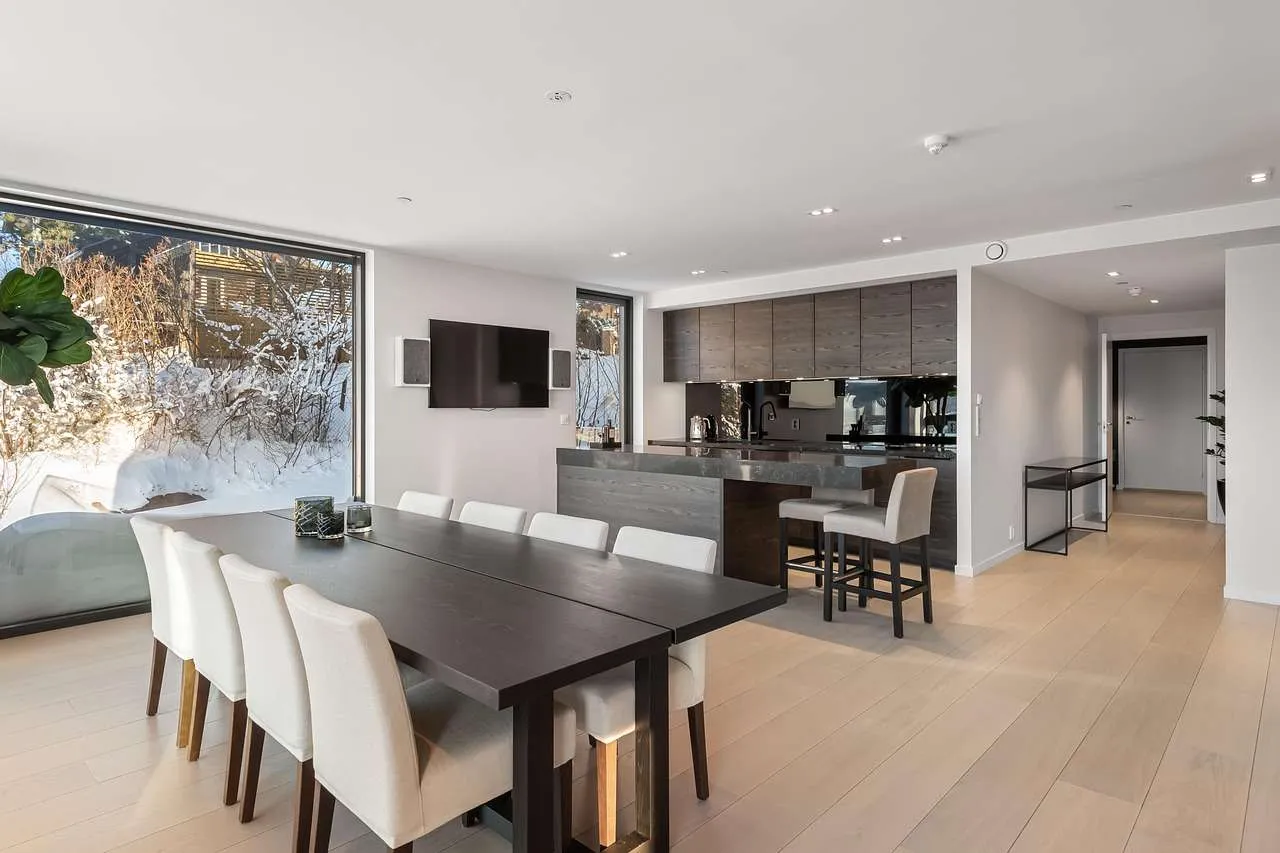
Overview of Home Window Tinting
Home window tinting is a practical upgrade that can improve comfort, protect interiors, and reduce energy use. When done correctly, it balances aesthetics with performance while aligning with the EEAT principle—exhibiting expertise, authority, and trustworthiness. This guide explains how home window tinting works, the different film types, selection tips, installation options, maintenance, and costs so you can make an informed decision.
What is home window tinting?
Window tinting involves applying a thin film to interior or exterior glass. The film reduces solar heat gain, blocks harmful ultraviolet radiation, reduces glare, and can enhance privacy. Unlike cosmetic window coverings, tinting is a passive energy-efficiency improvement that can work in warm and sunny climates or where screens of light need regulatory compliance. For best results, professional installation ensures uniform coverage, proper adhesion, and warranty protection.
Benefits of home window tinting
- Energy efficiency: Lower cooling costs by reducing heat gain, especially on large south- or west-facing panes.
- UV protection: Most films block up to 99% of UV rays, helping prevent fading of furniture, flooring, and artwork.
- Glare and comfort: Reduces glare on screens and living spaces, improving comfort for daily activities and sleep quality.
- Privacy and aesthetics: Improves curb appeal and privacy without heavy drapes, with options ranging from subtle to bold looks.
- Safety and security: In the event of breakage, some films help hold shards together, offering an added layer of safety.
For trust and accuracy, look for products backed by reputable manufacturers and installers who follow industry best practices. Professional installers often provide warranties and can confirm compliance with local regulations, an important aspect of EEAT.
Types of window tint films
Dyed films
Dyed films are budget-friendly and provide excellent privacy. They absorb heat and reduce glare but may fade over time and offer moderate durability.
Metalized films
Metalized films reflect infrared radiation to improve heat rejection and give a metallic appearance. They can interfere with electronics and GPS signals if applied to some windshields or glass configurations, so professional installation is recommended.
Ceramic films
Ceramic films are high-performance and non-conductive, delivering superior heat rejection, excellent UV blocking, and minimal color change. They maintain visibility and are less prone to interference with devices, making them a popular choice for long-term value.
Carbon and other premium films
Carbon-based films offer a rich, non-reflective appearance with strong heat rejection and UV protection. They resist fading well and maintain their color over time, but they come at a higher upfront cost.
How to choose tint levels and comply with laws
Tint level is often described by visible light transmission (VLT). A higher VLT allows more light through, while a lower VLT provides more privacy and heat rejection. Typical household options range from about 25% to 75% VLT, but local laws may restrict the darkest permissible tint on front windows or throughout the home. When selecting a film, consider the climate, orientation of the home, and furniture preservation needs. A licensed installer can help you select a legally compliant option that still delivers the performance you want, and they can provide a manufacturer-backed warranty for peace of mind.
Costs, ROI, and installation options
Costs for home window tinting vary by film type, window size, and labor. On average, homeowners might spend from $6 to $15 per square foot for professional installation, with premium ceramic or carbon films at the higher end. ROI comes from energy savings, reduced HVAC load, and extended interior longevity of furnishings. DIY kits exist but carry risks such as air bubbles, improper adhesion, and warranty voids. For the best results and EEAT-aligned outcomes, hiring a licensed installer with a valid warranty is prudent.
Maintenance and care
Maintenance is typically simple: avoid abrasive cleaners that can scratch the film. Use mild, non-ammonia cleaners and soft cloths. Regular inspection helps catch edge lifting or micro-bubbles early, which can be addressed under warranty by a professional. Temperature changes and improper cleaning can affect adhesion, so follow manufacturer guidelines and schedule periodic checks after installation.
Comparison of common tint types
| Type | Heat Rejection | UV Protection | Glare Reduction | Durability | Privacy | Cost |
|---|---|---|---|---|---|---|
| Dyed | Moderate | Good | Moderate | Moderate | High | Low |
| Metalized | High | Good | High | Moderate | Moderate | Moderate |
| Ceramic | Very High | Excellent | High | High | Moderate | High |
| Carbon | High | Very Good | Good | High | High | Moderate-High |
Conclusion
Choosing the right home window tinting involves assessing your climate, privacy needs, and budget, while prioritizing professional installation for safety and warranty coverage. By understanding film types, legal limits, and maintenance, you can maximize comfort, protect interiors, and enjoy long-term energy savings. Summary, a well-chosen tint offers a durable, aesthetically pleasing upgrade that aligns with trusted guidance and quality craftsmanship.
Summary, this article reviewed what home window tinting is, the benefits, film types, selection tips, costs, and maintenance. It emphasized professional installation, warranties, and compliance with local regulations to uphold EEAT standards and ensure lasting value for your home.